In the past 30 days, a little penguin character named "Gugu Gaga" has rapidly become popular on platforms such as Douyin and Bilibili. Data shows that more than 5,950 new related videos have been added on Douyin, with a cumulative total of over 1.5 billion views; on Bilibili, several viral videos with over 6 million views have appeared in just half a month.
What's even more special is that this IP was entirely generated by AI and achieved explosive dissemination through AI-driven derivative works, becoming a typical content phenomenon case in the AI era.
On February 19th, Bilibili UP master "Jian Tu Si Shun Gai" used AI to create a fan-made version of a character from "Arknights: The End" as a round little penguin, thus giving birth to Gu Gu Ga Ga.
In less than two months, this character quickly became popular due to its adorable appearance, distinct personality, and catchy catchphrase, even surpassing many well-known fan-made IPs to become one of the most popular cute characters.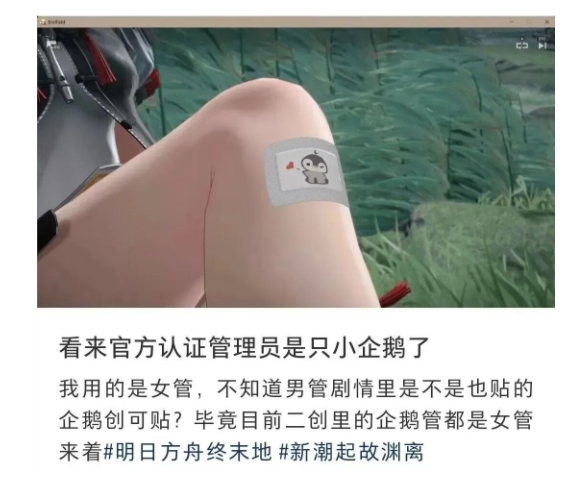
With the participation of numerous creators, the image of Gugu Gaga continues to be enriched:
It can be a migrant worker deceived by an intermediary, or a general conquering territory; it can be a street food stall owner, or a funny "master of misheard lyrics".
These diverse settings allow the characters to gradually develop complete personalities, forming a unique "story universe".
At the same time, high-quality works continue to emerge, such as the "Umineko and Guga" series and "Kung Fu Penguin," with production quality that even approaches the level of professional animation.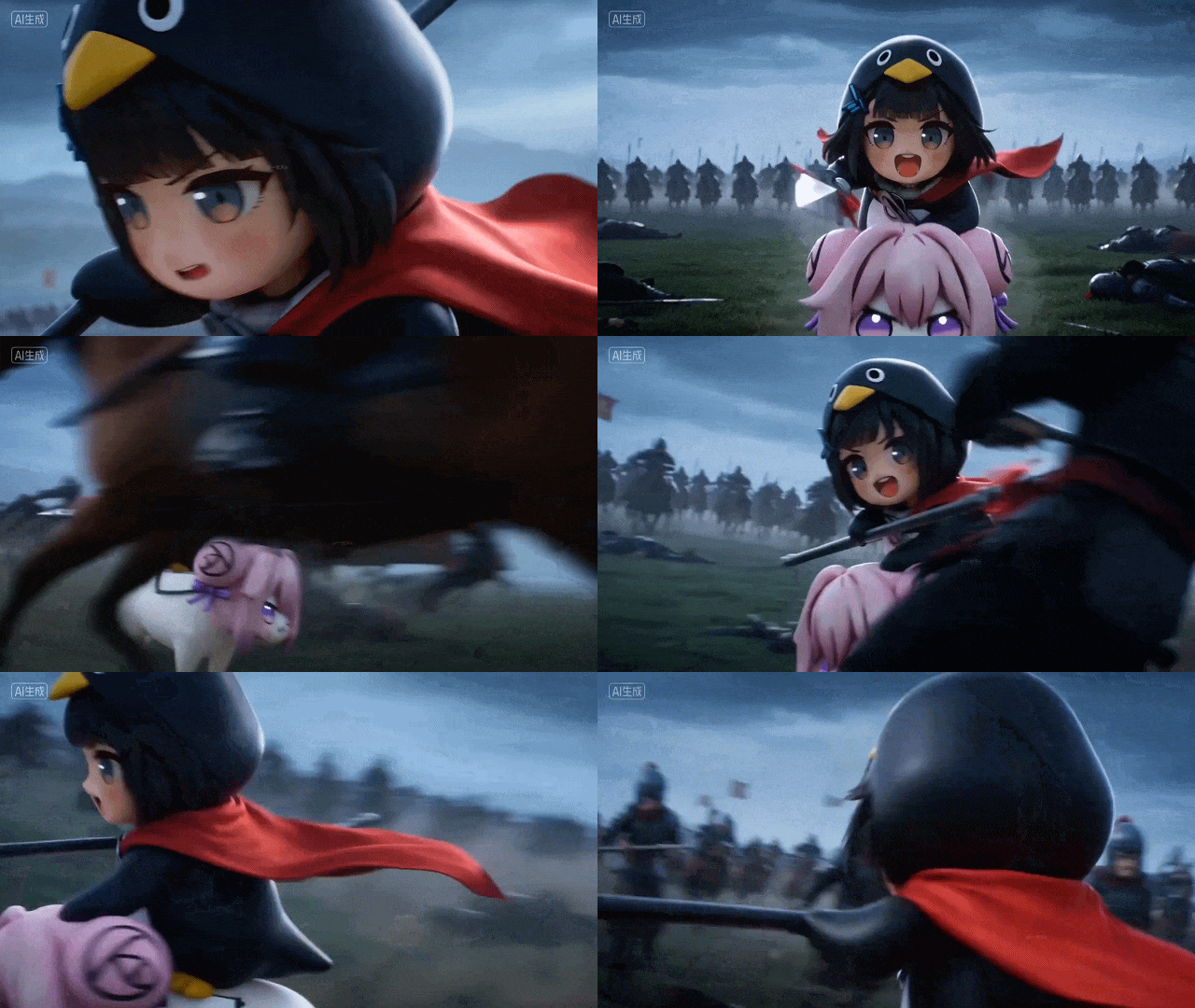
As its popularity grew, Gugu Gaga quickly became commercialized:
Peripheral products such as keychains, dolls, and cushions have appeared on e-commerce platforms and have achieved good sales. One figurine priced at 11.6 yuan has sold more than 5,000 units.
In addition, the game's official team and corporate brands have also begun to interact, enabling the IP to gradually break out of the anime and manga community and enter a wider market.
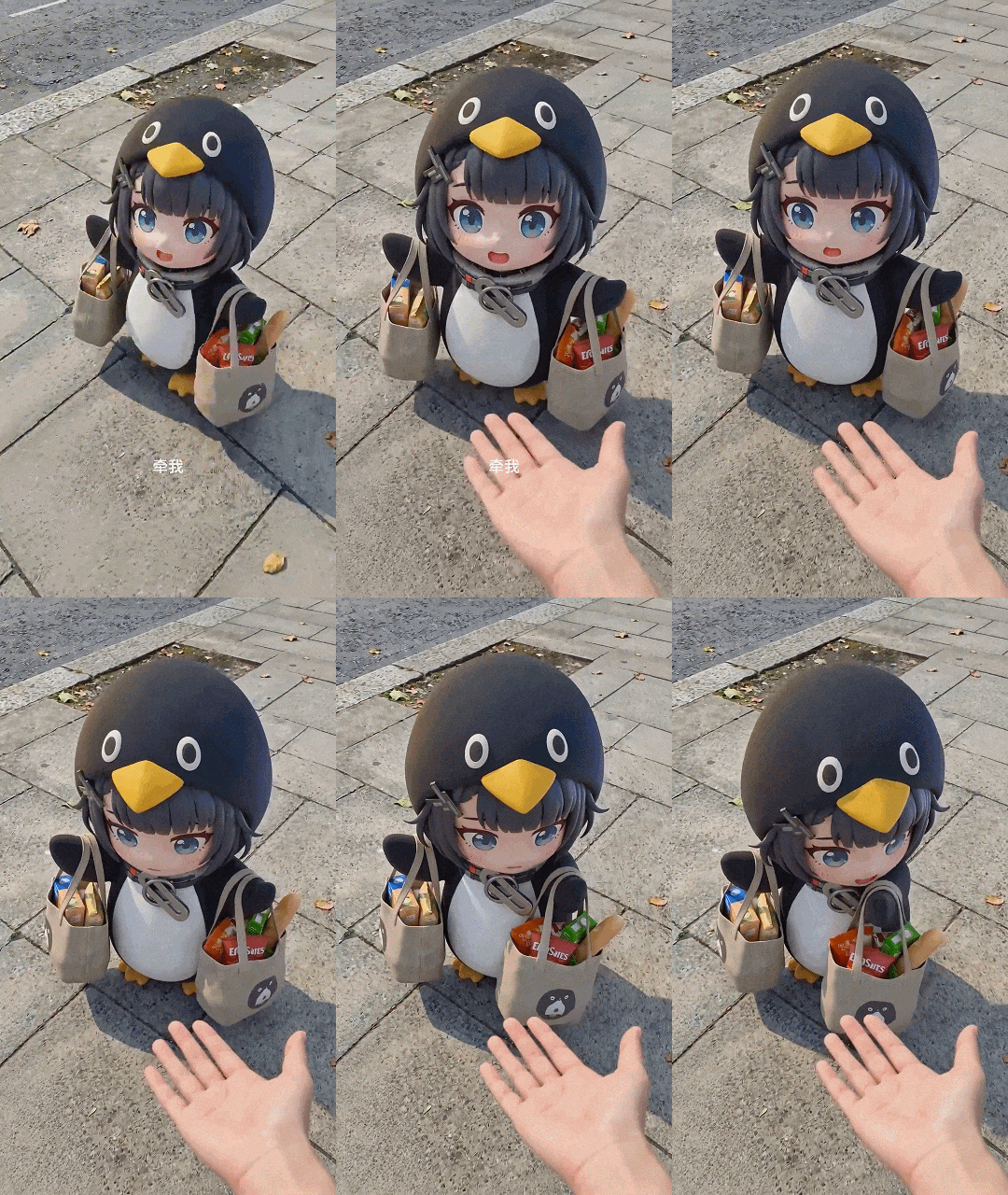
In high-pressure environments, users' demand for "healing" experiences continues to rise. With its adorable, kind, and slightly clumsy personality, Gugu Gaga provides users with an emotional buffer, becoming an "emotional stress reliever."
Many fan-made videos present an atmosphere similar to healing animations, and are even compared by viewers to the emotional experience of classic animated works.
Advances in AI tools have enabled ordinary users to create high-quality animation content, greatly lowering the barrier to entry for creators.
The result is that derivative content has achieved a double explosion in both quantity and quality in a short period of time, enabling IPs to spread rapidly and be continuously iterated and optimized to better suit user preferences.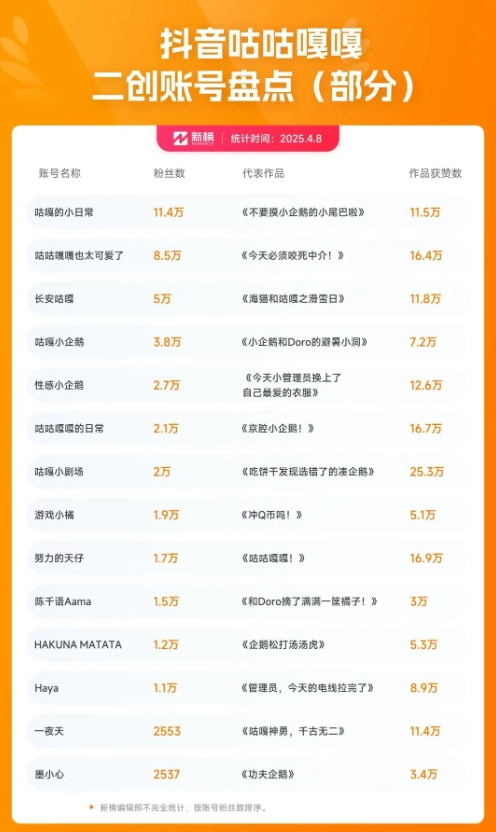
Traditional IPs typically require a long process of design, production, and dissemination, but Gugu Gaga proves that, driven by AI and user co-creation, the entire process from birth to viral success and monetization can be completed within a few months.
This signifies that the logic of IP production is being reshaped—from "professional-led" to "co-creation by all."
As IPs gain popularity, issues of copyright ownership gradually emerge. Creators who initially allowed derivative works to flourish faced controversy after attempting commercialization, ultimately having to issue public apologies.
Furthermore, due to the lack of unified management, some low-quality or negative content has begun to affect the IP's image and weaken its original healing attributes.
Whether Gugu Gaga can become a long-term IP remains uncertain, with its core challenges lying in copyright management, content quality control, and commercialization strategies.
However, what is certain is that with the development of AI technology, IPs similar to "Gugu Gaga" will continue to emerge, and AI-driven content co-creation models will become an important trend in the future.
For practitioners, this is both an unprecedented opportunity and a brand new challenge.

